

Amalan Terbaik untuk Penebukan CNC Logam Lembaran Ketepatan
Memilih Peralatan dan Bahan yang Tepat
Memilih alat yang betul adalah kunci untuk fabrikasi yang baik. Saya menggunakan penebuk dan acuan yang kuat untuk membuat potongan dan lengkungan yang tepat. Alat yang baik dapat mencegah haus dan ketidaksejajaran, yang boleh menyebabkan masalah. Memeriksa alat selalunya membantu saya mengenal pasti masalah lebih awal dan memastikan ia berfungsi dengan baik.
Memilih bahan yang betul juga sangat penting. Saya fikirkan tentang ketebalan, jenis dan sama ada ia sesuai dengan alatan. Untuk projek tersuai, saya cadangkan aluminium atau keluli tahan karat kerana ia kuat dan fleksibel. Menyusun bahan dengan betul sebelum menebuk dapat mengelakkan kesilapan dan memastikan semuanya berjalan lancar.
Untuk memudahkan kerja, saya ikuti petua ini:
Minyakkan bahagian yang bergerak dengan kerap untuk mengelakkan geseran.
Latih pekerja untuk menyelesaikan masalah dan mengendalikan alatan dengan selamat.
Rancang penyelenggaraan berkala untuk mengesan masalah lebih awal.
Langkah-langkah ini membantu saya memenuhi keperluan unik dan menyampaikan penyelesaian tersuai dengan cepat.
Mengoptimumkan Penyelenggaraan untuk Prestasi yang Konsisten
Menjaga mesin adalah penting untuk kelancaran fabrikasi. Saya menggunakan sistem yang meramalkan masalah bagi mengelakkan kerosakan secara tiba-tiba. Mengasah alat secara automatik menjadikannya tahan lebih lama dan mengurangkan kelewatan. Memerhatikan prestasi mesin dari jauh membantu saya menyelesaikan masalah sebelum ia menjadi lebih teruk.
Alat pengesanan kerosakan sangat membantu. Ia mengumpul data, jadi saya boleh merancang pembaikan dengan lebih baik. Menguruskan alat dengan bijak memastikan ia berfungsi dengan baik untuk jangka masa yang lama.
Dengan memberi tumpuan kepada penyelenggaraan, saya mempercepatkan pengeluaran tanpa kehilangan kualiti. Ini menunjukkan kemahiran saya dalam menyediakan perkhidmatan pemotongan dan lenturan yang tepat.
Meminimumkan Pembaziran Bahan dan Meningkatkan Kecekapan
Mengurangkan sisa buangan merupakan matlamat besar dalam fabrikasi. Saya menggunakan kaedah reka bentuk pintar untuk mengurangkan skrap dan menambah baik susun atur. Memeriksa reka bentuk pelanggan membantu saya mencari cara yang lebih baik untuk menggunakan bahan.
Program penebuk CNC membantu saya membuat potongan yang bersih dan mengurangkan pembaziran. Saya melaraskan alat untuk menggunakan sebanyak mungkin kepingan. Melicinkan tepi selepas memotong menjadikan bahagian lebih selamat untuk dikendalikan.
Kaedah-kaedah ini menjimatkan wang dan menyokong amalan mesra alam. Dengan menyelesaikan masalah material, saya mencipta penyelesaian yang baik untuk bajet dan planet ini.
Petua Profesional: Semak reka bentuk lebih awal untuk mematuhi peraturan pembuatan. Ini menjimatkan masa dan mengelakkan perubahan yang mahal kemudian.
Aplikasi Dunia Sebenar bagi Penebukan CNC
Kajian Kes dalam Menyelesaikan Cabaran Fabrikasi Logam Lembaran
Selekoh yang lebih lancar dan peraturan industri yang dipatuhi
Kajian Kes 2
Kedai Kerja
Lenturan perlahan bagi bentuk yang rumit
Sistem tolok belakang yang ditambah
Kerja lebih pantas dan masa persediaan yang lebih singkat
Kajian Kes 3
Fabrikasi bersaiz sederhana
Petua Profesional: Gunakan penebuk CNC untuk reka bentuk terperinci dan projek besar bagi menjimatkan masa dan memastikan ketepatan.
Soalan Lazim
Bahan apakah yang terbaik untuk penebuk CNC?
Bahan seperti aluminium, keluli tahan karat dan keluli tergalvani berfungsi dengan baik. Ia kuat dan fleksibel, menjadikannya sesuai untuk kerja yang tepat. Untuk logam yang lebih nipis daripada 2.5 mm, penebukan CNC adalah pantas dan berpatutan.
Seberapa tepatkah penebukan CNC?
Penebukan CNC sangat tepat, dengan toleransi sekecil ±0.1 mm. Ini bermakna bahagian-bahagian padan dengan sempurna, walaupun untuk reka bentuk yang terperinci. Ia merupakan kaedah yang dipercayai untuk membuat bahagian berkualiti tinggi.
Bolehkah penebukan CNC membuat reka bentuk yang kompleks?
Ya, penebuk CNC sangat bagus untuk reka bentuk yang terperinci. Ia boleh mencipta lubang udara, rusuk dan sinki kaunter dalam satu langkah. Ini menjadikannya sesuai untuk projek rumit dengan ciri-ciri istimewa.
Bagaimanakah penebukan CNC menjimatkan bahan?
Pengaturcaraan pintar membantu menggunakan bahan dengan bijak dan mengurangkan pembaziran. Dengan menambah baik susun atur dan menyemak reka bentuk, penebuk CNC mengurangkan kos dan membantu alam sekitar.
Industri manakah yang paling banyak menggunakan penebuk CNC?
Industri seperti aeroangkasa, kereta, elektronik dan HVAC banyak menggunakannya. Penebuk CNC menghasilkan bahagian yang tepat untuk perkara seperti panel kawalan dan lubang udara.
Overcoming Challenges of Sheet Metal Fabrication
Making sheet metal parts can be tricky and needs precision. A big problem is keeping quality the same for large orders. Small mistakes can cause parts to not fit or work right. With CNC punching, I can make parts with great accuracy every time. The computer controls remove human mistakes, ensuring tight tolerances of ±0.1 mm. This is very important for industries like aerospace and electronics, where details matter a lot.
Another issue is meeting tight deadlines. Old methods are slow, especially for complex designs. CNC punching solves this with fast turret punch presses. These machines can punch up to 1,000 times per minute. At Foxsen, we’ve improved our process to deliver parts in 7-14 days, even for big orders. This speed helps us meet deadlines without losing quality.
Wasting material is also a common problem. Cutting metal poorly can create a lot of scrap, which costs more and harms the environment. CNC punching uses smart programming to cut metal efficiently. At Foxsen, we go further by checking customer designs and improving layouts to save material. This reduces waste, lowers costs, and helps the planet.
Solving Customer Challenges in Precision Sheet Metal Fabrication
When helping customers, I often see unique problems needing special fixes. Some customers are new to precision metalwork and don’t know what’s possible. I guide them, showing how CNC punching can turn their ideas into real parts. By explaining the process, I help them understand what works best.
Tight schedules are another common issue. Customers want parts fast but worry about losing quality. I suggest ways to speed up production without errors. For example, Foxsen’s CNC punching can handle detailed designs in one go, saving time and keeping quality high.
Sometimes, customer designs don’t fit well with sheet metal rules. This can make parts hard or impossible to make. I work with them using Design for Manufacturability (DFM) support. Together, we adjust designs to ensure the final product fits and works perfectly. This teamwork avoids problems and builds trust in our skills.
Handling Complex and Intricate Designs
Complicated designs can be hard to make with old methods. These methods may fail to create detailed patterns or features. CNC punching is different and handles these challenges well. It can make things like vents, countersinks, and ribs in one step. This opens up many creative design options.
For example, I’ve worked on projects needing precise holes for control panels and speaker grilles. Using Foxsen’s advanced machines, I made clean, accurate cuts that matched the customer’s needs. These detailed designs not only look good but also work as planned.
Another benefit of CNC punching is its ability to work with many materials. Whether it’s aluminum, stainless steel, or galvanized steel, I can adjust the process for each type. This is helpful for projects with different materials or thicknesses. By using CNC punching, I can create amazing solutions for even the toughest designs.
Pro Tip: Think about the material type and thickness early when designing. This helps get the best results and avoids changes later.
Best Practices for Precision Sheet Metal CNC Punching
Selecting the Right Tooling and Materials
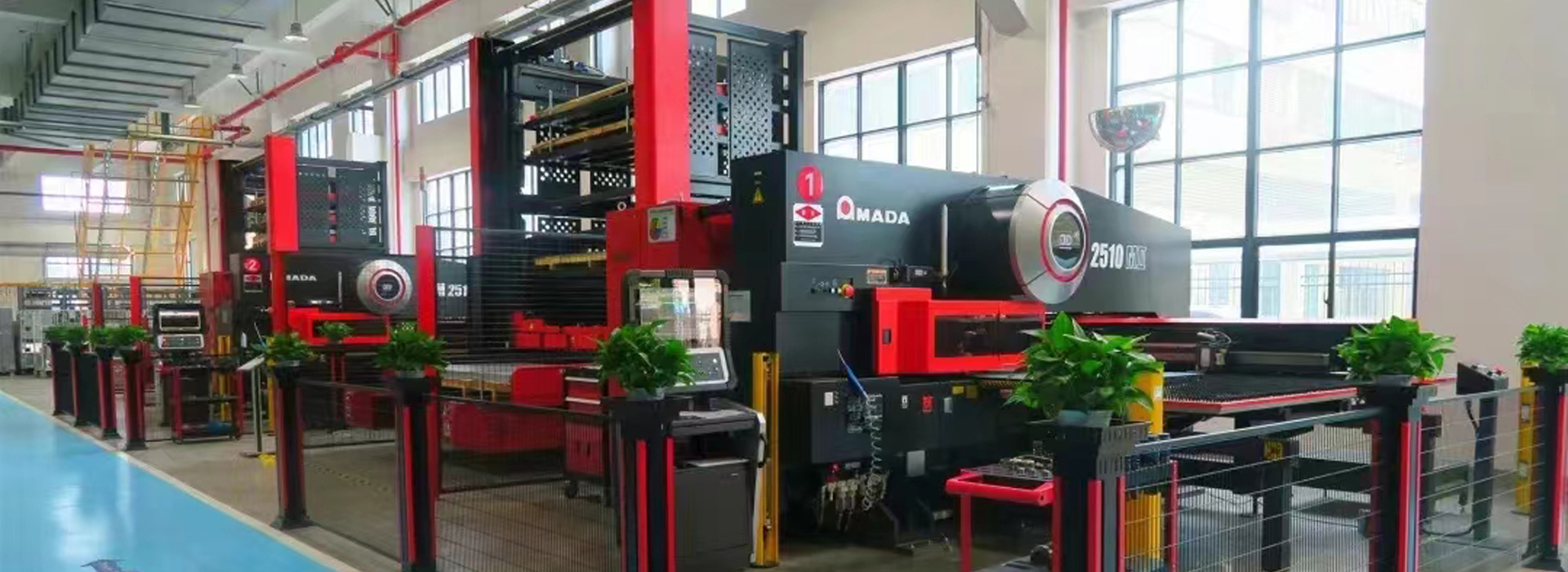
Picking the right tools is key for good fabrication. I use strong punches and dies to make accurate cuts and bends. Good tools stop wear and misalignment, which can cause problems. Checking tools often helps me spot issues early and keep them working well.
Choosing the right material is also very important. I think about thickness, type, and if it works with the tools. For custom projects, I suggest aluminum or stainless steel because they are strong and flexible. Lining up materials correctly before punching avoids mistakes and keeps things running smoothly.
To make work easier, I follow these tips:
Oil moving parts often to avoid friction.
Train workers to solve problems and handle tools safely.
Plan regular maintenance to catch problems early.
These steps help me meet unique needs and deliver custom solutions quickly.
Optimizing Maintenance for Consistent Performance
Taking care of machines is crucial for smooth fabrication. I use systems that predict problems to avoid sudden breakdowns. Sharpening tools automatically makes them last longer and reduces delays. Watching machine performance remotely helps me fix issues before they get worse.
Fault detection tools are very helpful. They collect data, so I can plan repairs better. Managing tools wisely ensures they work well for a long time.
By focusing on maintenance, I speed up production without losing quality. This shows my skill in providing precise cutting and bending services.
Minimizing Material Waste and Improving Efficiency
Cutting waste is a big goal in fabrication. I use smart design methods to reduce scrap and improve layouts. Checking customer designs helps me find better ways to use materials.
CNC punching programs help me make clean cuts and waste less. I adjust tools to use as much of the sheet as possible. Smoothing edges after cutting makes parts safer to handle.
These methods save money and support eco-friendly practices. By solving material problems, I create solutions that are good for both budgets and the planet.
Pro Tip: Check designs early to match manufacturing rules. This saves time and avoids costly changes later.
Real-World Applications of CNC Punching
Case Studies in Solving Sheet Metal Fabrication Challenges
CNC punching helps solve big problems in many industries. I’ve seen how it improves manufacturing by making parts precise and fast. Here are some real examples showing its benefits:
These cases show how CNC punching fixes issues like poor quality, slow work, and worn-out tools. By using smart tools and tech, I’ve helped clients improve their manufacturing.
Examples of Precision Sheet Metal Fabrication Success
CNC punching is great for making accurate parts for industries like cars and electronics. I’ve worked on projects where speed and detail were very important. For example, one electronics client needed control panels with many holes. CNC punching made parts with tight tolerances of ±0.1 mm, fitting perfectly.
Another project was for HVAC systems needing thousands of identical parts. The client wanted ventilation louvers in each piece. CNC punching made all the parts in one go, saving time and money. It also cut down on waste, helping the client’s eco-friendly goals.
These stories show how CNC punching handles tough designs and tight schedules. It’s a reliable way to get high-quality results every time.
Pro Tip: Use CNC punching for detailed designs and large orders. It saves time and ensures great results.
CNC punching has changed how we make precise sheet metal parts. It solves problems like accuracy, speed, and tricky designs, making it a game-changer.
CNC machines can work with tolerances as small as ±0.005 mm. For large projects, sheet metal fabrication with ±0.2 mm tolerances saves money and reduces waste.
The use of CAD software and automated tools shows the need for better methods.
Using CNC punching, I’ve noticed businesses finish jobs faster with better quality. It’s a smart way to improve sheet metal work.
Pro Tip: Use CNC punching for detailed designs and big projects to save time and ensure accuracy.
FAQ
What materials are best for CNC punching?
Materials like aluminum, stainless steel, and galvanized steel work well. They are strong and flexible, making them great for precise work. For metal thinner than 2.5 mm, CNC punching is fast and affordable.
How precise is CNC punching?
CNC punching is very precise, with tolerances as small as ±0.1 mm. This means parts fit perfectly, even for detailed designs. It’s a trusted method for making high-quality parts.
Can CNC punching make complex designs?
Yes, CNC punching is great for detailed designs. It can create vents, ribs, and countersinks in one step. This makes it perfect for tricky projects with special features.
How does CNC punching save material?
Smart programming helps use materials wisely and reduce waste. By improving layouts and checking designs, CNC punching cuts costs and helps the environment.
Which industries use CNC punching the most?
Industries like aerospace, cars, electronics, and HVAC use it a lot. CNC punching makes accurate parts for things like control panels and vents.